Finnish Sauna Culture: Traditions, Rituals and What to Expect
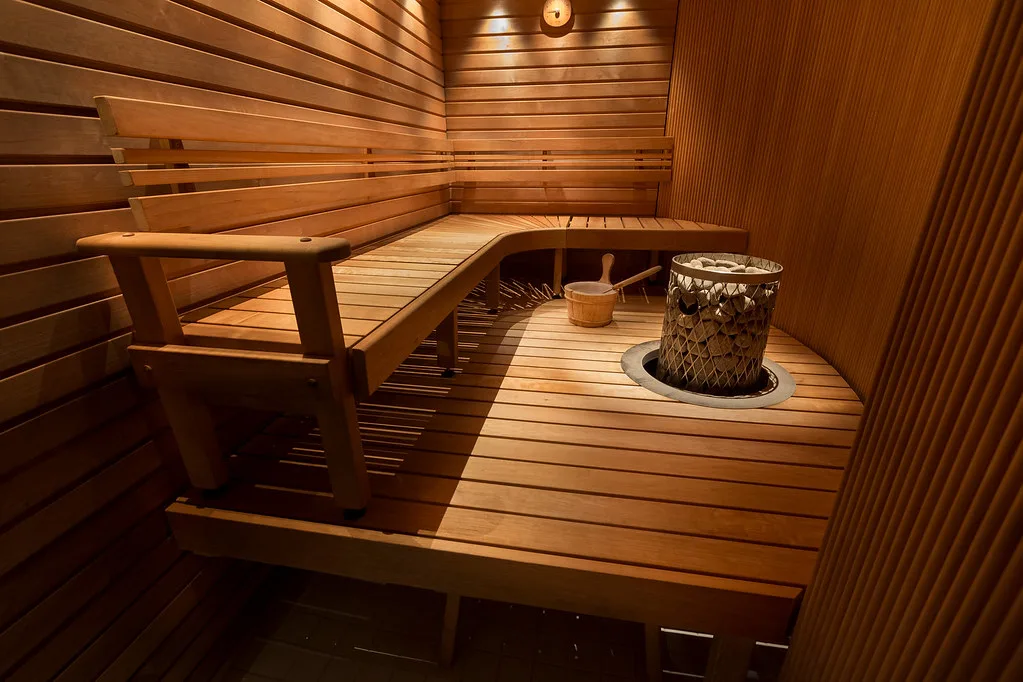
Finnish sauna culture is not really about getting hot. It is about löyly, silence, cleanliness and a very particular kind of equality, and it runs so deep that Finland has an estimated three million saunas for a population of around 5.5 million, close to one per household. This is a country where saunas sit in flats, offices, summer cottages and even the parliament building. For a British reader used to the sauna as a bolt-on at the gym, understanding the Finnish version changes how you use one entirely. Here is what the tradition actually involves and what to expect if you experience it properly.
Why it matters enough for UNESCO
In December 2020, UNESCO added sauna culture in Finland to its list of Intangible Cultural Heritage. The listing was not about the buildings but about the practice: a way of cleansing the body and calming the mind that most Finns take part in regularly, often weekly, from childhood. Historically the sauna was the cleanest room in the house, so it was where people were once born, where the sick were tended and where the dead were prepared. That reverence survives in the quiet, unhurried way Finns still use it today. If you want the basics of the room itself first, our guide to what a sauna is covers the types and how they heat you.
Löyly: the soul of the sauna
The single most important word in Finnish sauna culture is löyly (roughly “loi-lu”): the wave of steam that rises when you ladle water onto the hot stones. Finns talk about löyly the way wine lovers talk about a vintage. Good löyly is soft and enveloping; harsh, scalding steam means too much water or a poor stove.
A traditional Finnish sauna runs hot but dry, typically 80 to 90°C, within a broader range of about 70 to 110°C. The heat feels bearable because the air is dry until you add water. Retaining that löyly is why Finns frown on people opening the door constantly: every time it opens, the steam and warmth escape and the ritual is broken. You go in, you settle, and you stay a while. Our sauna temperature guide explains how heat and humidity interact if you want the detail.
The birch whisk
The other iconic ritual is gently swatting your skin with a bundle of fresh, leafy birch branches. It is called a vihta in western Finland and a vasta in the east, the same object under two regional names. It sounds odd and feels wonderful: the soft slapping boosts circulation, and the crushed leaves release a green, resinous birch scent that is the smell of a Finnish summer. Soaked in warm water first, the whisk becomes soft and fragrant rather than sharp.
The etiquette
Finnish sauna etiquette is simple but firmly held, and it surprises British visitors most of all.
- You are naked. In Finland the sauna is enjoyed nude, and it is a symbol of equality: with your clothes and your status left at the door, a chief executive and a cleaner are simply two people in the heat. Sexes are usually separated in public and mixed-family settings; among friends and family, mixed nude saunas are normal. If nudity worries you, our guide to sauna nudity and etiquette covers how British saunas differ.
- You wash first. The sauna is for cleansing and calm, so you shower before entering.
- You keep it quiet and calm. Conversation is low and gentle. The sauna is for unwinding, not holding court.
- No alcohol inside. A cold beer afterwards is traditional, but drinking in the heat is discouraged and genuinely risky, because it can cause a dangerous drop in blood pressure.
- Sit on a towel. For hygiene, you always put a towel or seat cloth under you.
The cold plunge, and the rhythm of it
A proper Finnish session has a rhythm: heat, then cold, then rest, repeated. After the löyly, Finns cool off outside, under a cold shower, in a lake, or, in winter, through a hole cut in the ice known as an avanto. The contrast is the whole point, leaving you flushed, tingling and deeply relaxed. Then you rest, cool and quiet, before going back in. This heat and cold cycle is the same principle behind the modern cold-plunge trend; our guide to the sauna and cold plunge routine explains how to do it safely.
Finnish, Swedish and Russian cousins
The Finnish sauna has close relatives. The Swedish bastu is much the same dry-heat tradition. The Russian banya runs more humid, with heavier steam and enthusiastic use of the whisk; we cover it in what is a banya. What sets the Finnish version apart is the balance of hot dry air and controllable löyly, and the almost spiritual restraint around how it is used. In Helsinki you can experience it at celebrated public saunas such as the historic wood-fired Kotiharjun and the modern seafront Löyly, both of which have reintroduced sauna-going as a social ritual for a new generation.
Bringing it home
You do not need to fly to Helsinki to borrow the best of this. Whether you use a public sauna or a home one, the Finnish approach makes any session better: shower first, keep the door shut to protect the löyly, ladle water slowly for soft steam, stay off your phone, alternate proper cold with the heat, and rest between rounds. Treat it as time set aside rather than a quick sweat, and you get the calm the Finns are really after. For where to try a great sauna in Britain, see our roundup of the best saunas in London.
Frequently asked questions
What is löyly in Finnish sauna culture? Löyly is the burst of steam created when water is ladled onto the sauna’s hot stones. Finns consider it the soul of the sauna, the element that turns a hot room into a calming ritual. Good löyly is soft and enveloping, which is why the stove, the stones and how much water you add all matter.
Why do Finns use a birch whisk in the sauna? The birch whisk, called a vihta in western Finland and a vasta in the east, is used to gently swat the skin. It stimulates circulation and releases a fresh birch scent. Soaked in warm water first, it becomes soft and aromatic, and it is one of the most traditional parts of a Finnish sauna.
Are Finnish saunas really nude? Yes. In Finland the sauna is traditionally enjoyed naked, seen as a symbol of equality and openness. Public and mixed-company saunas usually separate the sexes, while family and close-friend saunas are often mixed. British saunas are typically used in swimwear, which is a cultural difference rather than a rule of the sauna itself.
How hot is a traditional Finnish sauna? A Finnish sauna usually runs at about 80 to 90°C, within a wider range of roughly 70 to 110°C. The air is dry, which makes the high temperature comfortable, until you add water to the stones to create löyly and a wave of intense, moist heat.
Why did the Finnish sauna get UNESCO status? UNESCO added Finnish sauna culture to its Intangible Cultural Heritage list in December 2020 because it is a living tradition central to everyday Finnish life, involving cleansing, relaxation and social ritual passed down through generations, not just the physical act of sweating.
What is the correct Finnish sauna etiquette? Shower before you go in, sit on a towel, keep the door shut to retain the löyly, speak quietly, avoid alcohol inside, and cool down properly between rounds. Above all, treat it as unhurried, calm time rather than a rushed visit.
More from Baltic Spa
 Reviews
The Best Public Saunas in London for 2026, Tested and Ranked
We tested and ranked the best public saunas in London for 2026, from £9.50 community baths to Canary Wharf's 60-person contrast therapy hall.
 Infrared Saunas
Infrared Sauna Blankets: How They Work and Who They Suit
How an infrared sauna blanket works, what the layers and EMF claims really mean, who they suit and who should avoid one, from an evidence-first UK guide.
Sauna Stones Calculator: How Many Kg of Stones Do You Need?
Free sauna stones calculator: enter your electric heater's kW or your wood stove size and get the recommended stone weight in kg, plus how many boxes to buy.