Are Home Saunas Worth It? Honest Pros, Cons and Costs
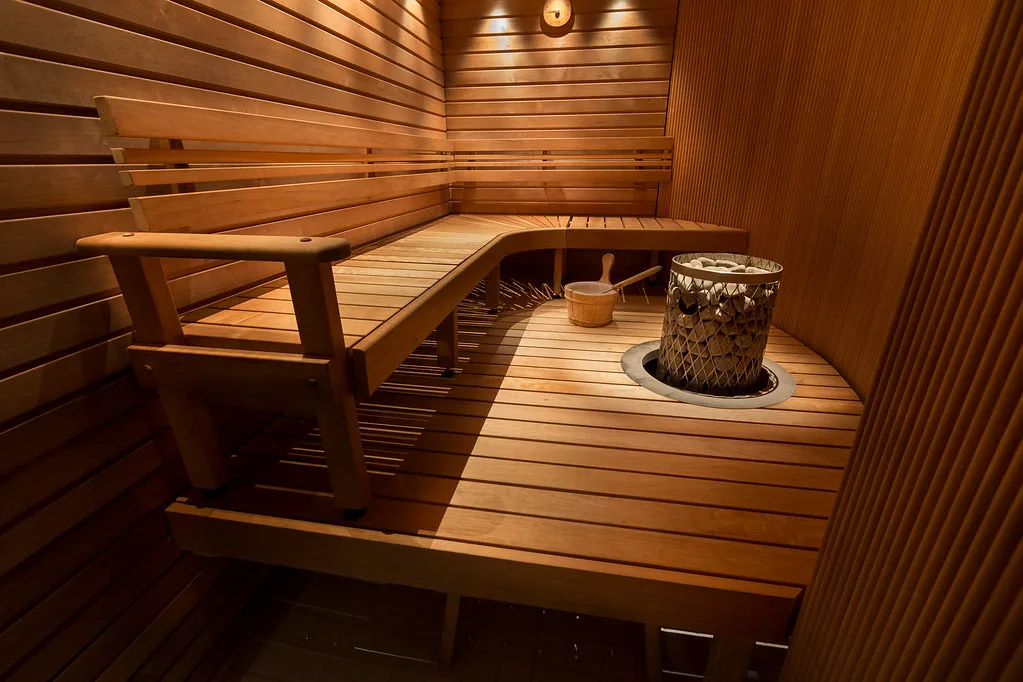
Are home saunas worth it? For the right household, yes, and the maths is more favourable than most people assume, because the day-to-day running cost is small and the value builds every time you use it instead of driving to a spa. But a sauna is only worth it if you will actually use it, and the honest answer depends on your space, your budget and your habits rather than on the glossy wellness marketing. This guide lays out the real pros, the genuine downsides, and the costs UK buyers most often underestimate, so you can decide clearly.
The case for a home sauna
The strongest argument is convenience. A sauna in your garden or spare room removes every barrier that stops people using spa facilities: no booking, no travel, no membership, no sharing the bench with strangers. That convenience is what turns an occasional treat into a regular habit, and regular use is where the value lives. Compared with paying per visit at a spa or a public sauna, a home unit that you use two or three times a week pays back its running cost many times over. There is also the recovery and relaxation people prize: the wind-down after a hard day or a workout, in your own space, on your own schedule. The wider evidence on what heat exposure does for you is covered in our guide to sauna benefits; the fair summary is that it is a genuine wellbeing and relaxation product, not a medical cure.
What it actually costs to run
Running costs are where home saunas surprise people in a good way. The electricity used per session is modest. An infrared sauna typically draws around 1 to 2 kWh per hour, while a traditional electric sauna heater uses more, roughly 3 to 6 kWh per hour depending on size and how long you run it. At current UK electricity prices that works out at somewhere between a few pence and around £1 per session for most home setups, and even used several times a week the annual electricity bill stays low. A well-insulated cabin with an efficient modern heater cuts that further. For the full breakdown by sauna type and size, see our home sauna cost guide.
The costs people forget
The running cost is small; the outlay and the setup are where the real money goes, and this is what tips the “worth it” decision.
- The upfront purchase is the big one, and it ranges enormously between a portable blanket or tent and a built-in cabin. Decide honestly which tier you will use before you spend.
- Electrical work. Most traditional electric saunas need a dedicated circuit that a standard UK home does not have, so budget for a qualified electrician. This is a safety essential, not an optional extra; Electrical Safety First explains why heavy fixed appliances need proper dedicated wiring.
- Space and base. An outdoor cabin needs a firm, level base and a sensible spot; an indoor sauna needs a room that can take the heat and moisture.
- Maintenance. Set aside a modest annual amount for door seals, the odd heating element and general upkeep over the years.
The honest downsides
A home sauna is not for everyone. It takes space you may not have. The upfront cost is real, and if you buy a cabin then use it twice, it was not worth it. Outdoor saunas face UK weather and need weatherproofing and heat-up time in winter. And the health claims around saunas are often overstated online; treat them as a relaxation and recovery aid, not a guaranteed fix for a medical condition, and check with a doctor first if you are pregnant, have heart problems or low blood pressure.
Which type is worth it for you
The “worth it” answer changes with the type. A portable sauna or infrared blanket is the low-commitment entry point: cheap to run, easy to store, and a sensible test of whether you will really use one. An infrared cabin heats faster and runs cheaper, suiting people who want gentle warmth and lower bills. A traditional electric or wood-fired sauna delivers the authentic high-heat, löyly steam experience but costs more to buy, install and run. Our comparison of traditional versus infrared saunas helps you pick, and the full home sauna buying guide walks through sizes and installation.
The verdict
A home sauna is worth it if you have the space, will use it regularly, and treat the purchase price rather than the running cost as the real spend. Used a few times a week, it is cheaper over time than a spa habit and far more convenient. It is not worth it if it will sit unused, if the electrical or space requirements do not fit your home, or if you are buying it as a medical treatment. Match the type to your budget and your habits, be honest about how often you will actually climb in, and for most committed users the answer is a clear yes.
Frequently asked questions
Are home saunas expensive to run? No, running costs are modest. An infrared sauna uses about 1 to 2 kWh per hour and a traditional electric heater roughly 3 to 6 kWh per hour, which at UK electricity prices is somewhere between a few pence and around £1 per session for most homes.
What is the biggest cost of a home sauna? The upfront purchase and installation, not the electricity. Traditional electric saunas usually need a dedicated circuit fitted by an electrician, and outdoor cabins need a proper base, so budget for setup as well as the sauna itself.
Do home saunas add value or just cost money? For regular users they earn their keep by replacing paid spa or gym visits, and a quality built-in sauna can appeal to buyers. For occasional users the upfront cost rarely pays back, so honest usage is the deciding factor.
Is an infrared or traditional sauna better value? Infrared saunas heat faster and cost less to run, making them cheaper day to day. Traditional saunas cost more to buy, wire and run but give the authentic high-heat, steam experience. The better value depends on which one you will actually use.
Are home saunas safe to use regularly? For most healthy adults, yes, with sensible session lengths and hydration. Anyone who is pregnant or has heart problems or low blood pressure should check with a doctor first, and electric saunas must be installed to the correct electrical standards.
More from Baltic Spa
 Reviews
The Best Public Saunas in London for 2026, Tested and Ranked
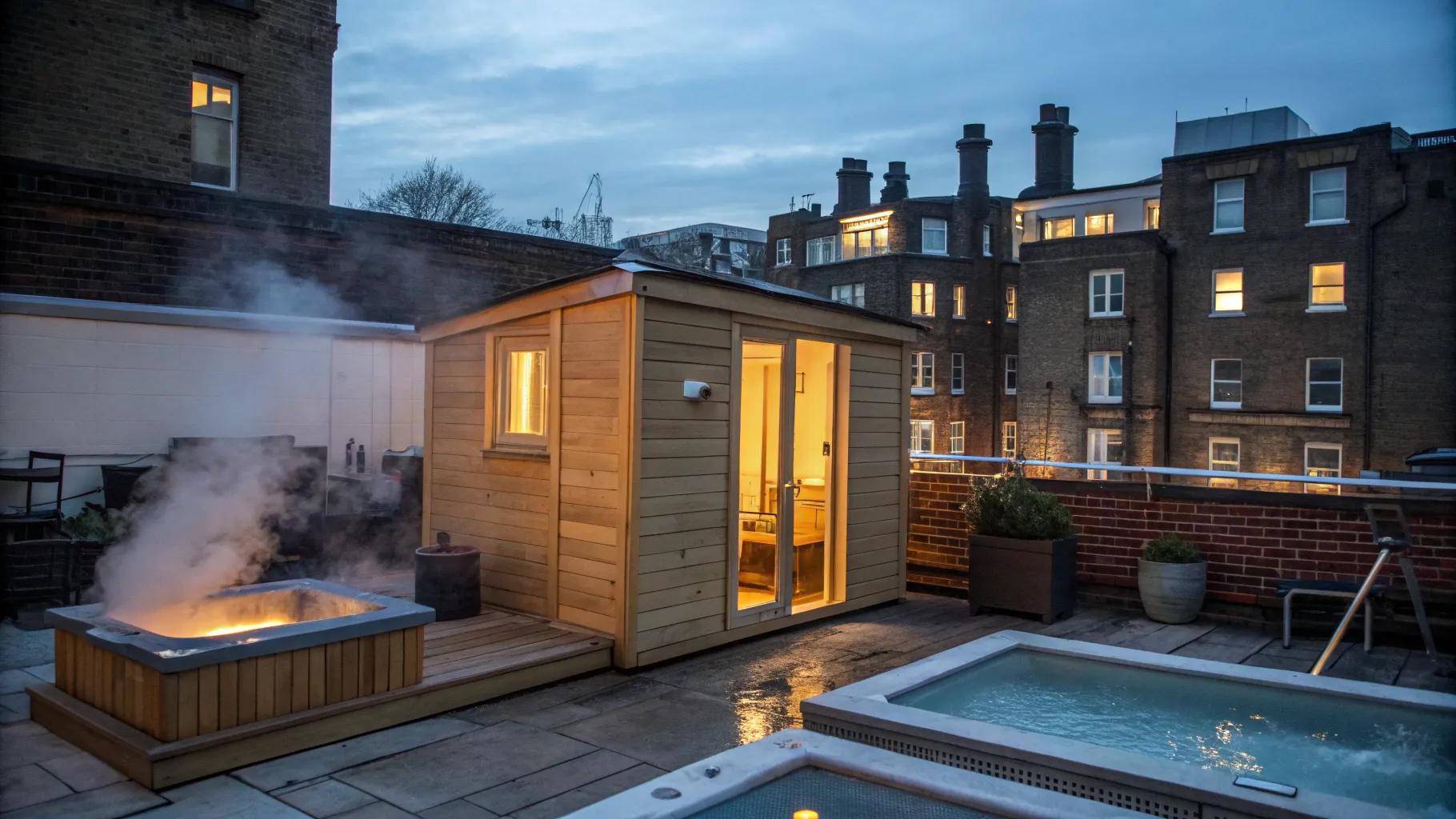
We tested and ranked the best public saunas in London for 2026, from £9.50 community baths to Canary Wharf's 60-person contrast therapy hall.
 Infrared Saunas
Infrared Sauna Blankets: How They Work and Who They Suit
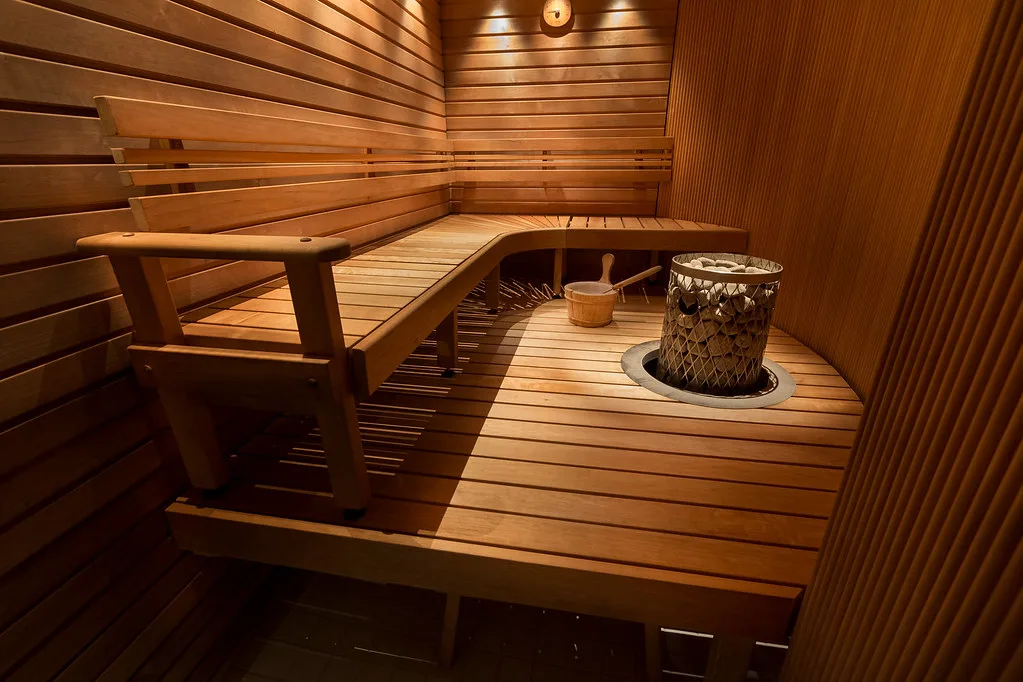
How an infrared sauna blanket works, what the layers and EMF claims really mean, who they suit and who should avoid one, from an evidence-first UK guide.
Sauna Stones Calculator: How Many Kg of Stones Do You Need?
Free sauna stones calculator: enter your electric heater's kW or your wood stove size and get the recommended stone weight in kg, plus how many boxes to buy.