Best Portable Saunas and Sauna Tents UK: Full Buying Guide
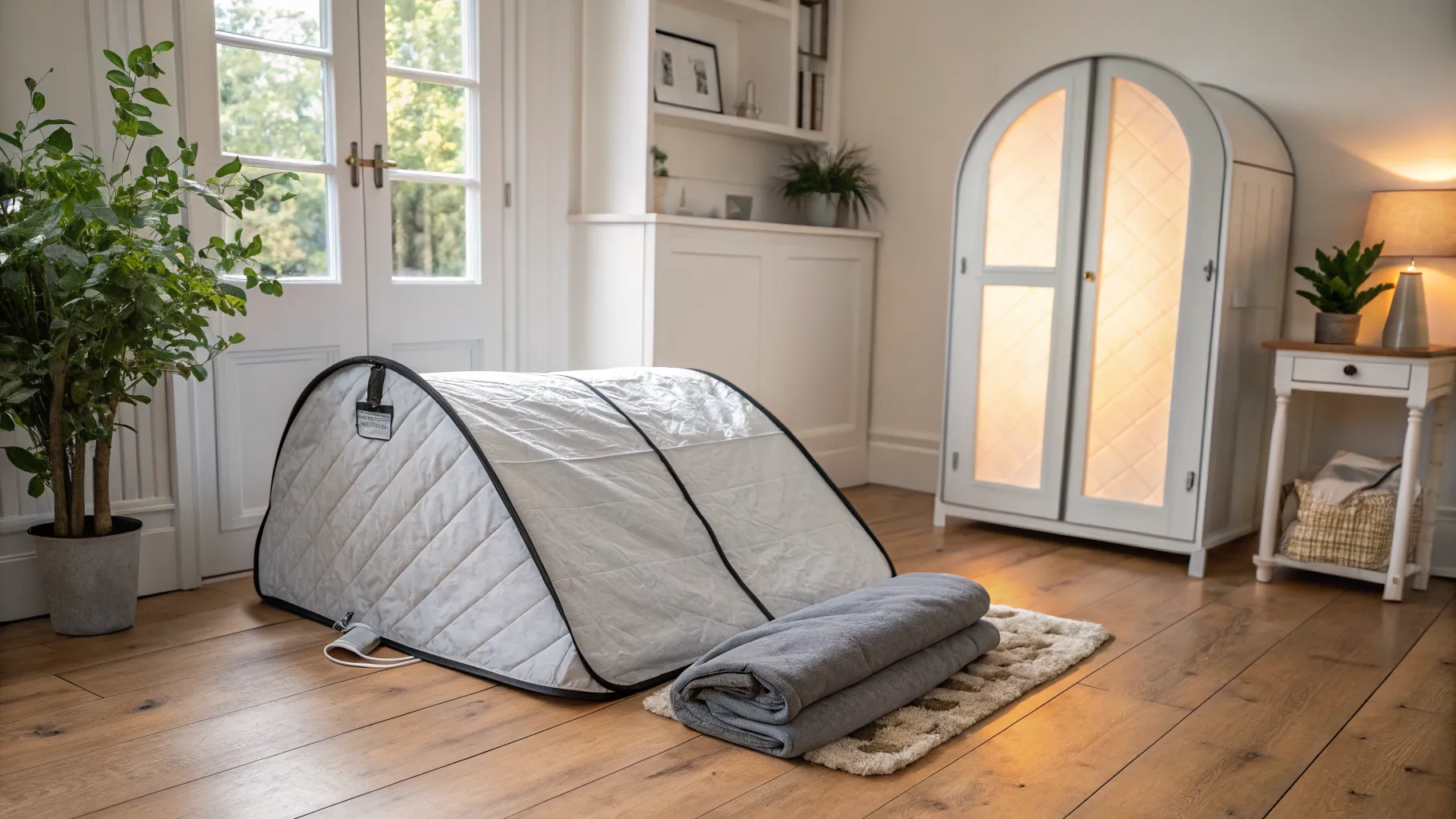
A portable sauna is the cheapest way to get heat therapy at home without an electrician, a garden cabin or four-figure spend. The category covers three real formats: infrared sauna blankets, sit-in sauna tents (steam or infrared), and larger sauna pods. They warm up in minutes, plug into a normal socket and fold away when you are done. The catch is that the market is full of thin US listicles quoting dollar prices and Fahrenheit, plus a wave of cheap Amazon listings whose temperature claims and material safety do not always hold up. This guide sorts the formats, gives you UK running-cost maths, and tells you exactly what to check before you buy.
Prices move constantly across Amazon UK, OnBuy and eBay UK, so check the current figure on the listing before you commit. We do not quote prices here for that reason.
The three portable sauna formats
There are three formats that genuinely count as portable in a British home. Pick the format first; it decides everything else.
| Format | How you use it | Heat type | Setup and storage |
|---|---|---|---|
| Sauna blanket | Lie inside, head out the end | Infrared (dry, radiant) | None; rolls up small |
| Sauna tent / pop-up | Sit on a chair, head out the top | Steam or infrared | Folding frame; packs into a bag |
| Sauna pod / dome | Sit inside a semi-rigid shell | Usually infrared | Larger; least portable in practice |
Sauna blankets
A sauna blanket is a padded, sleeping-bag-style wrap with infrared heating elements built into the lining. You lie inside it with your head out of the top. It is the most compact and lowest-cost route in, with no assembly at all. Because it is infrared, the heat is dry and radiant: it warms your skin directly rather than warming the air around you. Good for flats, easy to store, and the gentlest option for anyone who finds high heat unpleasant.
Sauna tents (the pop-up “sauna tent”)
A sauna tent is a sit-in fabric box on a folding frame. You sit on a chair with only your head poking out of the top. There are two sub-types, and the difference matters:
- Steam tents use a small water-tank steam generator that pumps moist heat into the enclosure. This is the humid, spa-like experience closest to a traditional sauna or a banya.
- Infrared tents use heating panels inside the fabric and run dry, like a blanket you can sit upright in.
A portable steam sauna gives you humidity; an infrared tent does not. Neither is objectively better. If you want the wet, enveloping feel, choose steam; if you want gentle dry heat and a slightly simpler unit, choose infrared.
Sauna pods and domes
A sauna pod is a larger, semi-rigid shell you sit inside, usually infrared. It costs more, takes up more room and is heavier to move, so “portable” is generous. A pod makes sense if you have a dedicated corner and want something sturdier than a fabric tent, but for most people chasing a true mini sauna that stores away, a blanket or tent is the better fit.
Two products worth knowing in the UK market
These are two units that are genuinely available in the UK and stand behind their specs. They are examples of each main format, not the only options. Always confirm the live spec and current price on the seller’s own page.
MiHIGH Infrared Sauna Blanket. A far-infrared blanket, 180cm long, rated for users up to 196cm and 150kg. It has a PU-leather exterior, a waterproof inner layer, CE approval and is marketed as low EMF. The temperature is adjustable in 5C steps across a range topping out at 75C, but note the realism point below: the box temperature is measured at the heating element, not at your skin, so the felt heat sits lower than the headline number. Confirm the exact temperature range and wattage on the official MiHIGH UK product page before relying on a figure, because the listing detail varies.
Runitude Portable Sauna Steam Tent. A sit-in steam tent with a 1000W touchscreen steam generator and a 2.6-litre water tank, which gives roughly 30 to 45 minutes of continuous steam per fill. It stands about 145cm tall and suits users up to around 6ft 4, and comes with a chair and floor mats. Its genuine differentiator: it was designed by an NHS doctor and is stated to be the only UK portable sauna tent independently third-party lab-tested for VOC emissions, which speaks directly to the off-gassing worry below.
Other names appear in the UK space, including Durherm, Kove and various pod brands. Check their live pages for current specs rather than trusting a roundup, because details change.
The temperature reality nobody explains
The single biggest cause of disappointed reviews is the gap between the advertised temperature and what you feel. A blanket sold as reaching 75C is measuring that at the heating wire, not against your body. Sit inside and the skin-level heat often feels closer to the low-to-mid 40s. This is not always a fault; it is how the rating is taken. Portable units, especially infrared ones, run cooler at the body than a traditional sauna at 80 to 90C. Set your expectations accordingly: you will sweat, but it is a gentler heat than a leisure-centre sauna. For the full picture on how dry and wet heat differ, see our traditional vs infrared sauna comparison.
Running costs at current UK electricity rates
This is where most pages stay vague. Portable saunas are cheap to run; the real cost objection is the upfront price, not the electricity. Using the Ofgem price-cap unit rate of 26.11p per kWh (the direct-debit average for England, Scotland and Wales including VAT, for 1 July to 30 September 2026, per Ofgem), here is what a session actually costs:
| Unit | Power | 40-min session | Cost per session |
|---|---|---|---|
| Infrared blanket | ~0.45 to 0.5 kW | ~0.3 to 0.33 kWh | ~8 to 9p |
| 1000W steam tent | ~1.0 kW | ~0.67 kWh | ~17 to 18p |
| Full electric sauna (for comparison) | 6 to 9 kW | 4.5 to 6.75 kWh | roughly £1 to £2+ |
A portable unit costs pennies per session against the pound-plus of a full cabin. If you want to model a fixed cabin for comparison, our sauna running cost calculator does the maths for your own kit and tariff.
EMF, VOCs and the cheap-listing problem
Two safety questions come up constantly with portable saunas, and most pages wave them away.
EMF (electromagnetic fields). Infrared blankets and panels carry heating wires close to your body, so electromagnetic field exposure is a fair thing to ask about. Look for a manufacturer that states a low-EMF figure, ideally in the low single digits (aim for roughly 0 to 2 mG measured against the body). Be wary of any product that gives no figure at all.
VOCs and off-gassing. Cheap sauna tents and blankets can be made with PVC or phthalate-laden liners that release plastic fumes when heated. That smell is volatile organic compound off-gassing, and it is the main reason to avoid the cheapest no-brand listings. Look for independent third-party VOC and chemical-safety testing, and prefer certified PU leather over unspecified plastic. A product that has been lab-tested for emissions (as the Runitude steam tent states it has) is taking this seriously; one that says nothing is a gamble.
What to check before you buy
Run through this list before committing to any portable sauna or sauna tent:
- Stated low-EMF figure. Aim for 0 to 2 mG at the body. No figure given is a red flag.
- Independent VOC and chemical testing. Avoid PVC and phthalate liners that off-gas when hot; prefer certified PU leather.
- Heating-wire quality. Cheap single-strand wires cause hot and cold spots and tend to break; better units use distributed, durable elements.
- Your size versus the limits. Blankets typically fit up to 196cm and 150kg; tents to around 6ft 4. Check before you order.
- Temperature realism. Remember the box rating is taken at the element, not your skin.
- Fold-down size and storage. Critical in a flat. A blanket rolls small; a tent packs into a bag; a pod does not.
- Warranty and a real UK seller. Buy from a seller with returns and support, not an anonymous ultra-cheap listing with no recourse.
What a portable sauna will and will not do for you
The honest framing here is the trust angle, because most pages over-promise.
Weight loss. The drop on the scales after a session is water lost through sweat, not fat. There is no good evidence that a portable sauna burns meaningful calories or reduces body fat without a calorie deficit. You will rehydrate and the weight comes back.
Detox. “Detox” is largely marketing. Your liver and kidneys handle detoxification. Sweat does carry trace contaminants, but not in a clinically meaningful “flush the toxins” sense.
What is plausible. Relaxation, easing muscle soreness after exercise, and the general wind-down of regular heat sessions. The well-known cardiovascular research comes from hot, traditional Finnish saunas, and portable units run cooler, so do not assume those specific findings transfer. For a balanced medical view of infrared heat, WebMD’s overview is a reasonable starting point. There is no NHS guidance specific to portable saunas, so treat sweeping health claims on product pages with caution.
If you decide a portable unit is a stepping stone and you later want the real thing, our home sauna buying guide for the UK covers fixed cabins, heater sizing and the regulations.
Frequently asked questions
Do portable saunas actually get hot enough to work? They get you sweating, but the felt heat is lower than the advertised number because the rating is measured at the heating element, not against your skin. A blanket marketed at 75C often feels closer to the low-to-mid 40s on the body. That is normal for the format; expect a gentler heat than an 80 to 90C traditional sauna.
Are sauna blankets safe, and is the EMF a concern? A well-made blanket from a reputable brand is fine for most healthy adults. Because heating wires sit close to your body, look for a stated low-EMF figure, ideally around 0 to 2 mG at the body, and avoid products that give no figure at all. As with any heat session, stay hydrated, keep sessions sensible and take medical advice if you are pregnant or have a heart condition.
What is the difference between a steam tent and an infrared tent? A steam tent uses a water-tank generator to create moist, humid heat, closest to a traditional sauna or banya. An infrared tent uses panels and runs dry, warming your skin directly with no humidity. Choose steam for the wet, enveloping feel; choose infrared for a gentle dry heat and a simpler unit.
How much does a portable sauna cost to run in the UK? Very little. At the Ofgem cap rate of 26.11p per kWh, a 40-minute session in an infrared blanket costs roughly 8 to 9p, and a 1000W steam tent costs about 17 to 18p. A full 6 to 9 kW cabin session can cost £1 to £2 or more, so portable units are far cheaper to run; the upfront price is the real cost.
Are cheap Amazon sauna tents toxic or do they give off plastic fumes? Some cheap units use PVC or phthalate liners that off-gas volatile organic compounds when heated, which is the source of that plastic smell. Look for independent third-party VOC and chemical-safety testing and prefer certified PU leather. Avoid anonymous ultra-budget listings that say nothing about materials or testing.
Can I use a portable sauna in a small flat? Yes, that is one of the format’s main strengths. A blanket rolls up to roughly the size of a sleeping bag, and a pop-up tent folds into a carry bag. Pods are bulkier and harder to store. For a flat, a blanket or a folding tent is the practical choice.
More from Baltic Spa
 Reviews
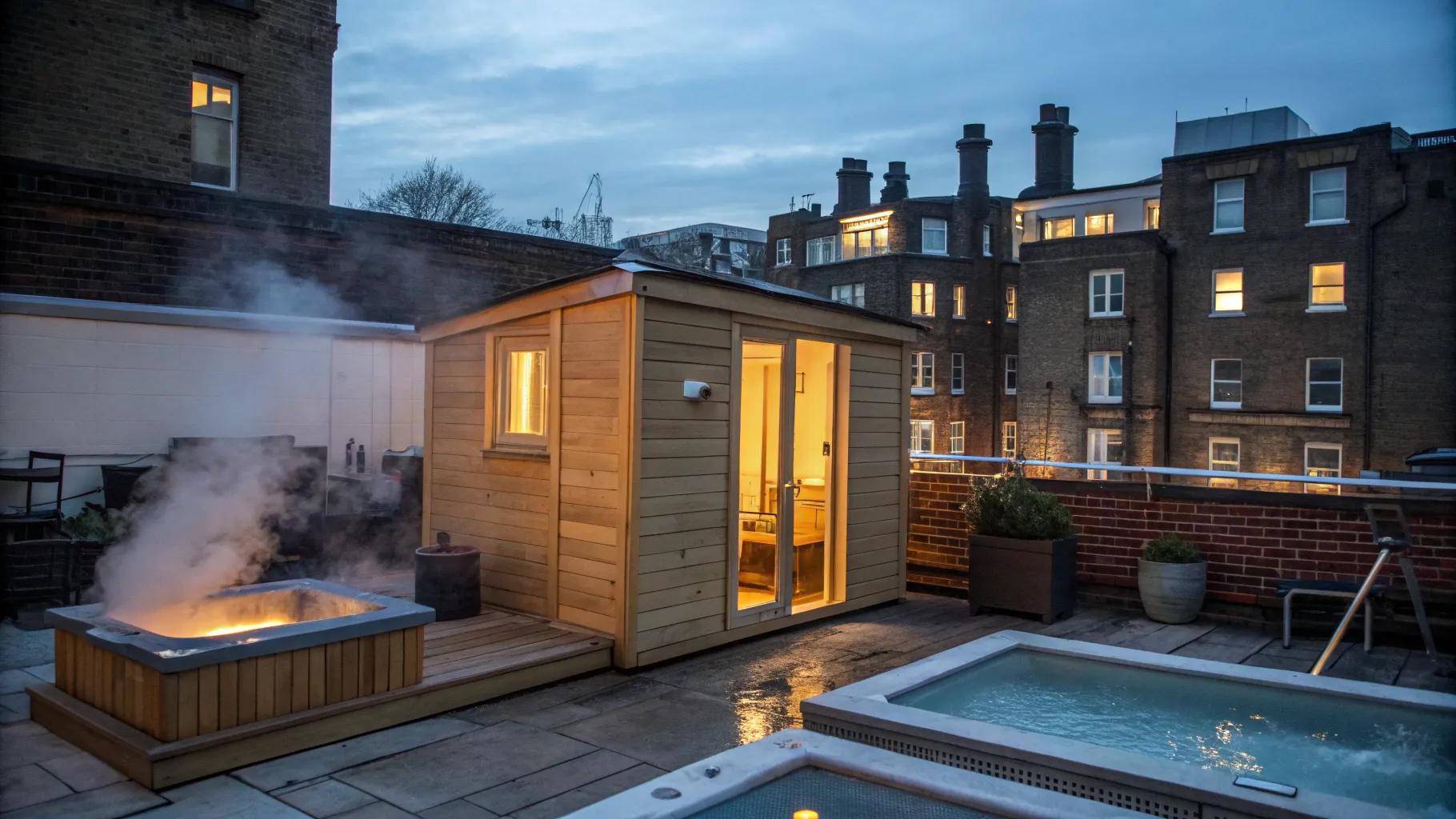
The Best Public Saunas in London for 2026, Tested and Ranked
We tested and ranked the best public saunas in London for 2026, from £9.50 community baths to Canary Wharf's 60-person contrast therapy hall.
 Infrared Saunas
Infrared Sauna Blankets: How They Work and Who They Suit
How an infrared sauna blanket works, what the layers and EMF claims really mean, who they suit and who should avoid one, from an evidence-first UK guide.
Sauna Stones Calculator: How Many Kg of Stones Do You Need?
Free sauna stones calculator: enter your electric heater's kW or your wood stove size and get the recommended stone weight in kg, plus how many boxes to buy.