Infrared Saunas: The Complete UK Buyer's Guide
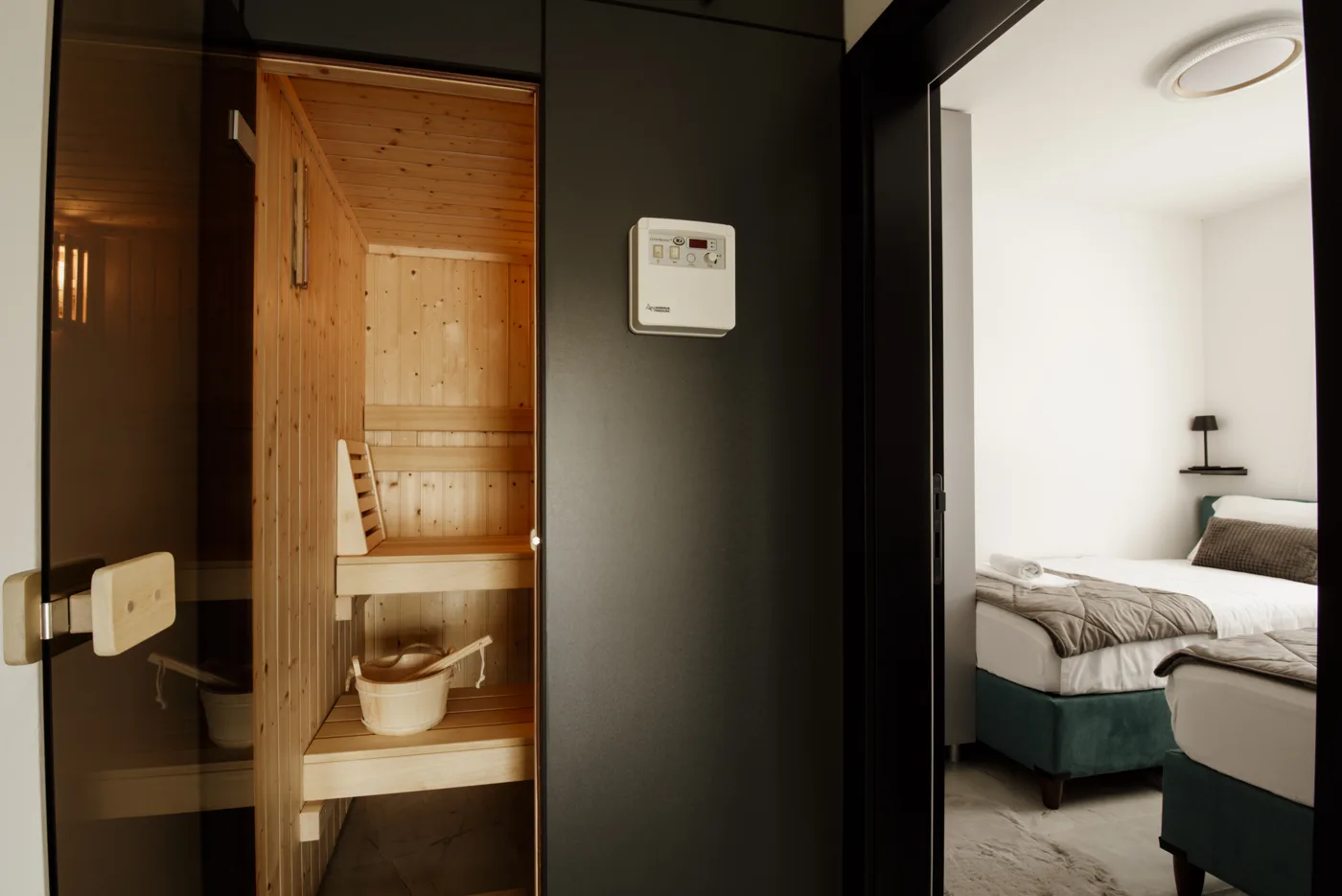
Buying an infrared sauna in the UK is less about the cabin and more about what is behind the wooden panels: the type of heater, its EMF output, and whether it plugs into an ordinary socket or needs an electrician. Get those right and a one or two person infrared cabin slots into a spare corner, runs off a normal plug, and costs pennies a session. Get them wrong and you have paid a premium for marketing wavelengths you will never feel. This guide walks through every decision, from far infrared versus full spectrum to running costs, so you can buy on facts rather than brochure language.
How an infrared sauna differs from a traditional one
A traditional sauna heats the air, often to 70 to 100°C, and that hot air heats you. An infrared sauna does the opposite: its panels emit infrared radiation that warms your body directly while the air stays much cooler, typically 45 to 60°C. That lower air temperature is the main appeal for people who find a hot Finnish sauna too intense, and it is why infrared cabins can run off a domestic circuit rather than needing a heavy-duty heater. If you are still deciding between the two types, our traditional vs infrared sauna comparison covers the trade-offs in full.
A quick note on the health claims that surround infrared saunas: the evidence for benefits like relaxation and post-exercise comfort is reasonable, but many stronger marketing claims are not well supported, and near-infrared benefits in particular are less proven than the far-infrared research. Treat an infrared sauna as a pleasant, low-temperature heat experience, not a medical device.
Far infrared vs full spectrum
This is the first real decision. Far infrared (FIR) saunas emit only the far infrared band, using carbon or ceramic panels. They are the most common, the most affordable, and the type most of the usable research is based on. Full spectrum saunas add near and mid infrared, usually from halogen lamps, aiming for a broader range of wavelengths.
Full spectrum units cost noticeably more, often several hundred to a couple of thousand pounds more than an equivalent far infrared cabin in the UK. Whether that premium is worth it is genuinely debatable, because the evidence for near-infrared adding meaningful benefit over far infrared is thin. For most home buyers, a good-quality far infrared cabin with low-EMF heaters is the sensible choice, and the money saved is better spent on build quality. Our guide to far infrared vs full spectrum saunas goes deeper if you are torn.
Carbon vs ceramic heaters
Within far infrared, the heater material matters. Carbon panels are large and flat, spread heat evenly across a wide area at a lower surface temperature, and feel gentle and enveloping. Ceramic heaters run hotter in smaller spots, feel more intense close up, and heat quickly, but the warmth is less even.
Many quality cabins now use carbon, or a carbon-ceramic hybrid that tries to combine even coverage with intensity. For a relaxing whole-body session, even carbon heat is usually the more comfortable choice; for someone who wants to feel concentrated heat on a specific area, ceramic has its place.
EMF: the spec cheaper brands hide
Infrared heaters produce electromagnetic fields, and this is where quality separates. Cheap heaters can run high EMF at body distance, which puts some buyers off, while well-made low-EMF heaters are independently tested to very low levels, often a fraction of a milligauss at seated distance.
If EMF matters to you, look for a brand that publishes third-party EMF test results measured at the seat, not vague reassurances. A reputable manufacturer will show the figure. Silence on EMF usually means the number is not flattering.
What size cabin, and where it fits
Infrared cabins are sold by occupancy, from one person up to four. A one-person cabin takes up only about 0.9 to 1.2 m² and will fit in a spare bedroom corner, a utility room, an ensuite or even a generous under-stairs space, provided you have around 1.95 m of height clearance. Two-person cabins are the most popular for homes with the room, giving you space to lie back or share.
Be honest about how many people will realistically use it at once. Most home saunas are used solo even when bought as a two-seater, so do not oversize and lose floor space you will miss. For the wider decision, see our best home sauna in the UK picks.
Power and running costs
This is the practical advantage of infrared. A UK infrared sauna typically draws 1.5 to 3.0 kW, and most one and two person cabins run from a standard 13A domestic socket, so no special wiring is needed. Larger four-person or full-spectrum units may need a dedicated circuit, so check the specification before you buy.
Running cost is modest. At an electricity unit rate of roughly 27p per kWh under the current Ofgem energy price cap, a 45-minute session works out at around 30p to £1 depending on cabin size and heater type. Two sessions a week comes to somewhere between about £30 and £105 a year. For the fuller picture including purchase price, see our home sauna cost guide.
What about infrared blankets?
If a cabin is too big a commitment or too expensive, an infrared sauna blanket gives you a similar low-temperature heat experience for far less money and no installation. It will not replicate sitting in a cabin, but it folds away and suits small flats. It is a reasonable entry point before committing to a full cabin.
Whatever you choose, pairing the heat with a cold finish is where many people find the real payoff. See our guide to saunas and cold plunges for how to combine the two safely.
Frequently asked questions
Are infrared saunas worth it in the UK? For many people, yes. They run off a normal domestic socket, cost only pennies a session, and provide a gentler, lower-temperature heat than a traditional sauna, which suits smaller UK homes. Whether it is worth the outlay depends on how often you will use it; treat it as a relaxation and comfort purchase rather than a health cure.
What is the difference between far infrared and full spectrum saunas? Far infrared saunas emit only the far infrared band from carbon or ceramic panels and are cheaper and more common. Full spectrum saunas add near and mid infrared, usually via halogen lamps, and cost more. The extra benefit of full spectrum over far infrared is not strongly proven, so most home buyers do well with a quality far infrared cabin.
Do infrared saunas need special wiring in the UK? Usually not. Most one and two person infrared cabins draw 1.5 to 3.0 kW and plug into a standard 13A socket. Larger four-person or full-spectrum units can need a dedicated circuit, so always check the power requirement on the specification before buying.
How much does it cost to run an infrared sauna? At around 27p per kWh, a 45-minute session costs roughly 30p to £1 depending on the cabin size and heater. Using it twice a week works out at about £30 to £105 a year in electricity, making infrared one of the cheaper home wellness options to run.
Is EMF from an infrared sauna dangerous? Infrared heaters produce electromagnetic fields, and cheap heaters can run high. Well-made low-EMF heaters are tested to very low levels at seated distance. If it concerns you, choose a brand that publishes independent third-party EMF results measured at the seat rather than making vague claims.
What temperature does an infrared sauna reach? Infrared cabins run at a much lower air temperature than traditional saunas, typically 45 to 60°C, because the panels warm your body directly rather than heating the air. That lower temperature is why many people who find a hot Finnish sauna uncomfortable prefer infrared.
More from Baltic Spa
 Reviews
The Best Public Saunas in London for 2026, Tested and Ranked
We tested and ranked the best public saunas in London for 2026, from £9.50 community baths to Canary Wharf's 60-person contrast therapy hall.
 Infrared Saunas
Infrared Sauna Blankets: How They Work and Who They Suit
How an infrared sauna blanket works, what the layers and EMF claims really mean, who they suit and who should avoid one, from an evidence-first UK guide.
Sauna Stones Calculator: How Many Kg of Stones Do You Need?
Free sauna stones calculator: enter your electric heater's kW or your wood stove size and get the recommended stone weight in kg, plus how many boxes to buy.